

small bathroom mirror
Understanding Water Flow Control Valve Types A Comprehensive Overview Water flow control valves play a critical role in regulating the movement of water in various applications, from industrial systems to residential plumbing. These valves are vital for maintaining efficient water usage, preventing waste, and ensuring safety in water systems. There are several types of flow control valves, each designed for specific functions and applications. This article will explore the primary types of water flow control valves, their functions, and where they are typically used. 1. Gate Valves Gate valves are primarily used for on/off control rather than throttling flow. They consist of a gate or wedge that moves up and down to allow or block the flow of water. When fully opened, gate valves offer minimal resistance to flow, making them ideal for applications where a straight-line flow is essential. However, because they are not designed for throttling, using them in partial openings can lead to erosion and damage over time. Gate valves are commonly found in water distribution systems and can handle high-pressure conditions. 2. Globe Valves Globe valves are designed for throttling flow rather than simply turning it on or off. They have a spherical body that allows for a more gradual change in flow area, providing better flow regulation. The internal structure of a globe valve creates turbulence, which can cause energy loss, but the offset position of the seat and disk minimizes this loss compared to gate valves. Globe valves are commonly used in steam, water, oil, and gas services. They are particularly effective in applications where flow needs to be adjusted frequently. 3. Ball Valves Ball valves feature a spherical disc (the ball) with a hole in the center that allows water to pass through when aligned with the flow. When the valve is turned 90 degrees, the hole moves out of alignment, stopping the flow. Ball valves are known for their durability, quick operation, and tight sealing capabilities. They are used in various applications, including residential water systems, irrigation systems, and industrial processes. Ball valves are particularly effective in applications where quick shut-off is essential. water flow control valve types 4. Butterfly Valves Butterfly valves utilize a rotating disc to control water flow. As the disc turns, it either obstructs or permits flow through a pipe. These valves are well-suited for large volume applications due to their compact design and lightweight construction. Butterfly valves are often used in water treatment facilities, HVAC systems, and large-scale irrigation systems. They are particularly advantageous because they can provide a significant flow control with minimal pressure drop. 5. Check Valves Check valves are essential for preventing backflow in a water system. They allow flow in one direction while automatically closing to prevent reverse flow when the water pressure decreases. Check valves are crucial in keeping systems running smoothly and efficiently, and they are commonly found in both residential and industrial settings. These valves help protect pumps, prevent contamination, and maintain system integrity. 6. Pressure Relief Valves Pressure relief valves are designed to protect equipment from excess pressure by releasing water when a preset pressure is exceeded. These valves are critical in systems where excess pressure could lead to damage or failures. They can be found in boilers, water heaters, and various industrial applications. Conclusion Choosing the right type of water flow control valve is crucial for ensuring system efficiency, safety, and longevity. Understanding the differences among gate, globe, ball, butterfly, check, and pressure relief valves empowers users to make informed decisions based on their specific needs and applications. Whether you're a homeowner looking to improve your plumbing system or an engineer designing a large-scale water management project, knowing the types of flow control valves available will help ensure that the system operates smoothly and effectively.
about
small bathroom mirror
Understanding Pin Gauge Metrics An Essential Tool in Precision Engineering In the world of precision engineering, the need for accuracy and consistency cannot be overstated. One tool that has proven indispensable in this regard is the pin gauge, often referred to as pin gauge metrics. These simple yet effective measuring devices serve a critical role in various industries, from manufacturing to quality control, ensuring that components meet stringent specifications. What Are Pin Gauges? Pin gauges are precision measuring tools used to determine whether a hole or slot meets predetermined dimensions. They come in a variety of sizes and are typically cylindrical in shape. Made from high-quality materials such as tool steel or stainless steel, these gauges are designed to provide durability and resistance to wear. The critical aspect of pin gauges is their ability to fit into the holes or slots being measured, allowing users to quickly assess tolerances and dimensions. Types of Pin Gauges Pin gauges can be classified into two main categories Go and No-Go gauges . 1. Go Gauges These are used to check if a hole meets the minimum size requirement. If the go gauge fits into the hole, it indicates that the hole is sufficiently large and meets the specifications. 2. No-Go Gauges Conversely, no-go gauges are used to check if the hole is within the maximum size limit. If the no-go gauge fits, it means that the hole is too large and does not meet the specifications. Using both types ensures that components conform to specified tolerances, facilitating a higher level of quality control in production processes. Importance of Pin Gauge Metrics pin gauges metric The significance of pin gauge metrics in the manufacturing process cannot be overstated. First and foremost, they promote accuracy. With industries increasingly focused on precision engineering, even the slightest deviation from intended measurements can lead to significant issues. Pin gauges allow engineers and quality control specialists to quickly identify defects and make necessary adjustments. Additionally, pin gauges are simple to use. Their straightforward design means that operators can easily understand how to utilize them without extensive training. This ease of use leads to increased efficiency in inspection processes, reducing downtime and keeping production schedules on track. Moreover, pin gauges are versatile. They can be employed in various applications, including checking drilled holes, reamed holes, and even threaded holes when combined with specialized gauges. This versatility makes them a go-to tool in numerous sectors, including automotive, aerospace, and electronic manufacturing. Choosing the Right Pin Gauge When selecting pin gauges, several factors should be considered. First, the material of the gauges plays a significant role in their performance and longevity. High-quality materials will ensure that the gauges maintain their dimensional accuracy over time. Secondly, gauge size is crucial. Pin gauges are available in numerous sizes and increments, allowing for precise measurement of various standards. It is important to choose gauges that align with the specific tolerances required for the components being inspected. Lastly, calibration is a vital aspect of utilizing pin gauges effectively. Regular calibration ensures that the gauges continue to provide accurate measurements. It’s advisable for organizations to establish a routine calibration schedule as part of their quality assurance practices. Conclusion In summary, pin gauge metrics are a fundamental component of precision engineering that enhances accuracy, efficiency, and quality control. Their straightforward design, coupled with their ability to provide reliable measurements, makes them a crucial tool in various industries. Engineers and quality control specialists must understand how to select and use these gauges effectively to ensure that their manufacturing processes adhere to strict quality standards. As technology and manufacturing methods evolve, the importance of tools like pin gauges will remain paramount in the pursuit of excellence in engineering.
-

High quality industrial productsagement

High quality industrial products
View Details -

Meet the diverse needs of customers

Meet the diverse needs of customers
View Details -

Strict quality control

Strict quality control
View Details -

Top raw materials

Top raw materials
View Details -

Trusted supplier

Trusted supplier
View Details
Our application

news and information

Valvola di cancello a flangia da 6 pollici
Un componente essenziale nei sistemi di gestione dei fluidi industriali è la valvola a saracinesca f
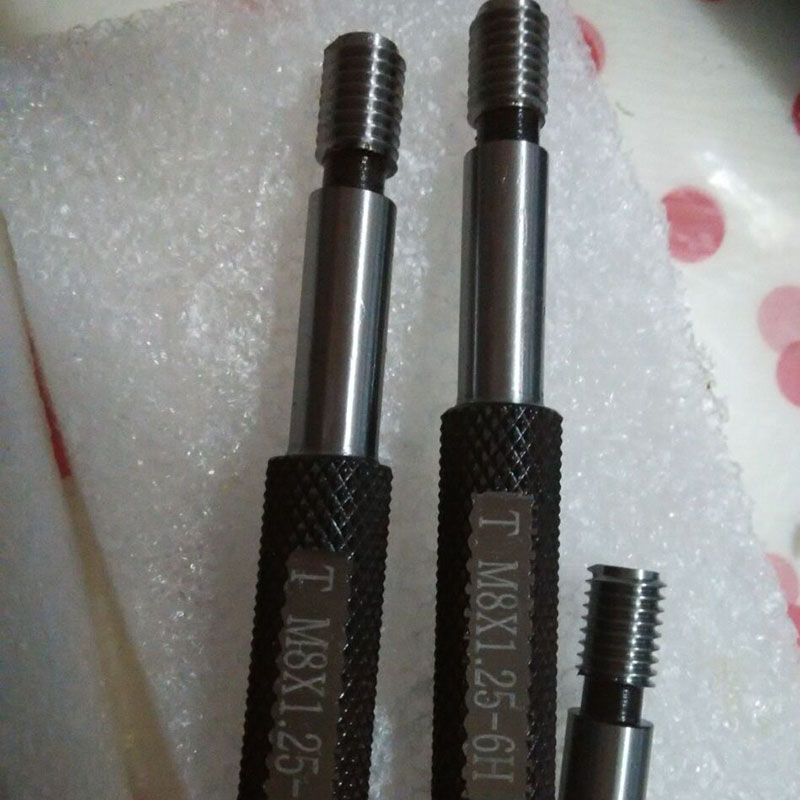
Using Tapered Plug Gauges for Precision Measurement and Quality Control in Manufacturing
Understanding Taper Plug Gauges and Their Applications In precision engineering and manufacturing, e
Wichtigkeit der Genauigkeit in der modernen Mess- und Regeltechnik
Der Einfluss von Gauge C auf die moderne Technologie In der heutigen digitalen Welt spielen Präzisio
 English